Fueled · Care2Cure

Care2Cure
Took a Flutter health app from API integration to a release-ready 1.0.
- Role
- Lead Mobile Engineer
- When
- Feb 2026 – May 2026
- Platforms
- iOS, Android
- Industry
- Healthcare
- Release
- Release-ready 1.0.0, handed over to the client. Not released to the public yet.
About the app
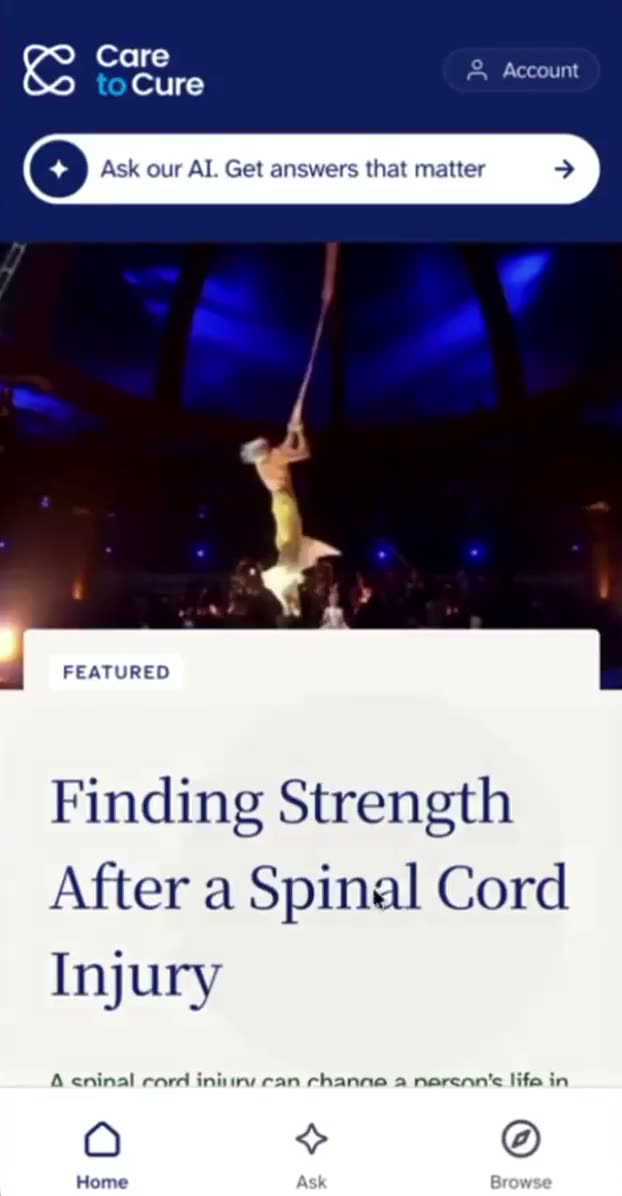
Care2Cure is for the spinal-cord-injury community. Users say who they are and their stage of injury, and the app tailors a feed of trusted articles and videos to them. An AI assistant answers their questions from the app's own content and shows its sources.
What I built
- A streaming AI chat (the deep dive below).
- Integrated backend authentication — sign-in, sign-up with email verification, password reset, JWT sessions with automatic logout, account deletion, and deep links.
- Integrated Sentry and wrote an interceptor that reports only unexpected API errors, so network and expected auth errors never add noise.
- Took the app to a release-ready 1.0.0 with a teammate, taking the pipeline from nightly Firebase builds to store-ready releases — then wrote a 25-page handoff guide so the client’s developers could build and release without our CI.
Deep dive: a chat that streams answers over Server-Sent Events
The chat answers flow one way, from server to app, so I built on Server-Sent Events: plain HTTP, which reuses our normal Bearer token, interceptors and server setup. WebSockets fit two-way, long-lived connections, which this chat does not need.
The service reads the response as a byte stream, splits it into lines, keeps the last partial line
in a buffer until the next chunk arrives, and turns each data: line into a typed result — a
conversation ID, the sources, a text chunk, or done. The BLoC appends each chunk to a streaming
message bubble and saves the finished message with its sources.
A hard problem: Dio treats 429 and 503 as exceptions, which hides the response body — but the
backend puts the user-facing message there. I set validateStatus to accept both codes so the app
can read the message and the Retry-After header, and drive a countdown banner from it.
Another developer built the first chat screen and SSE client; I rebuilt and extended it. The backend team built the RAG pipeline, the model calls and the rate limiter.
Showcase
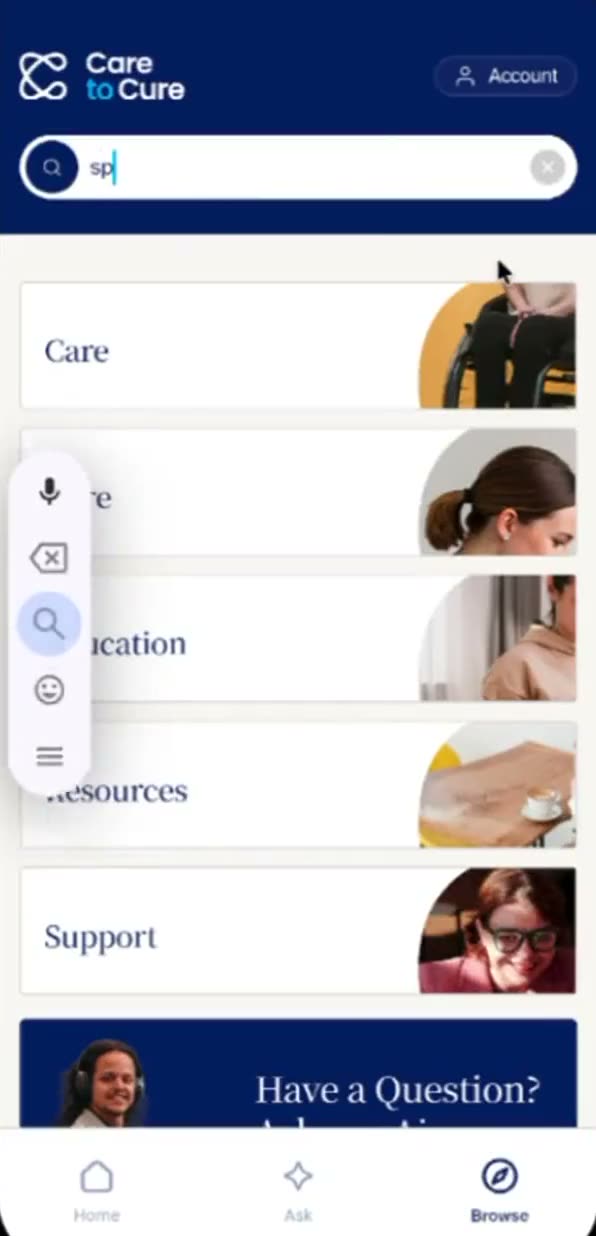
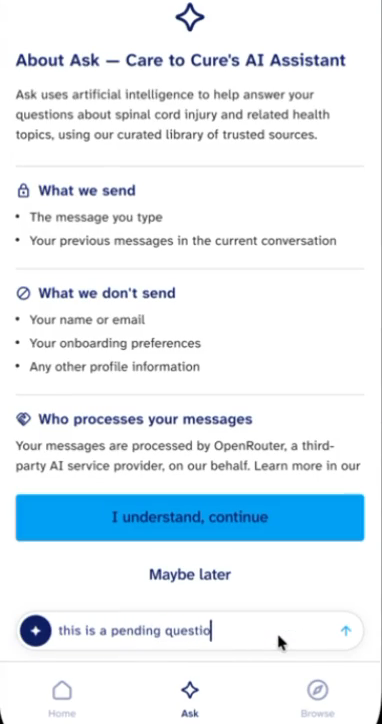

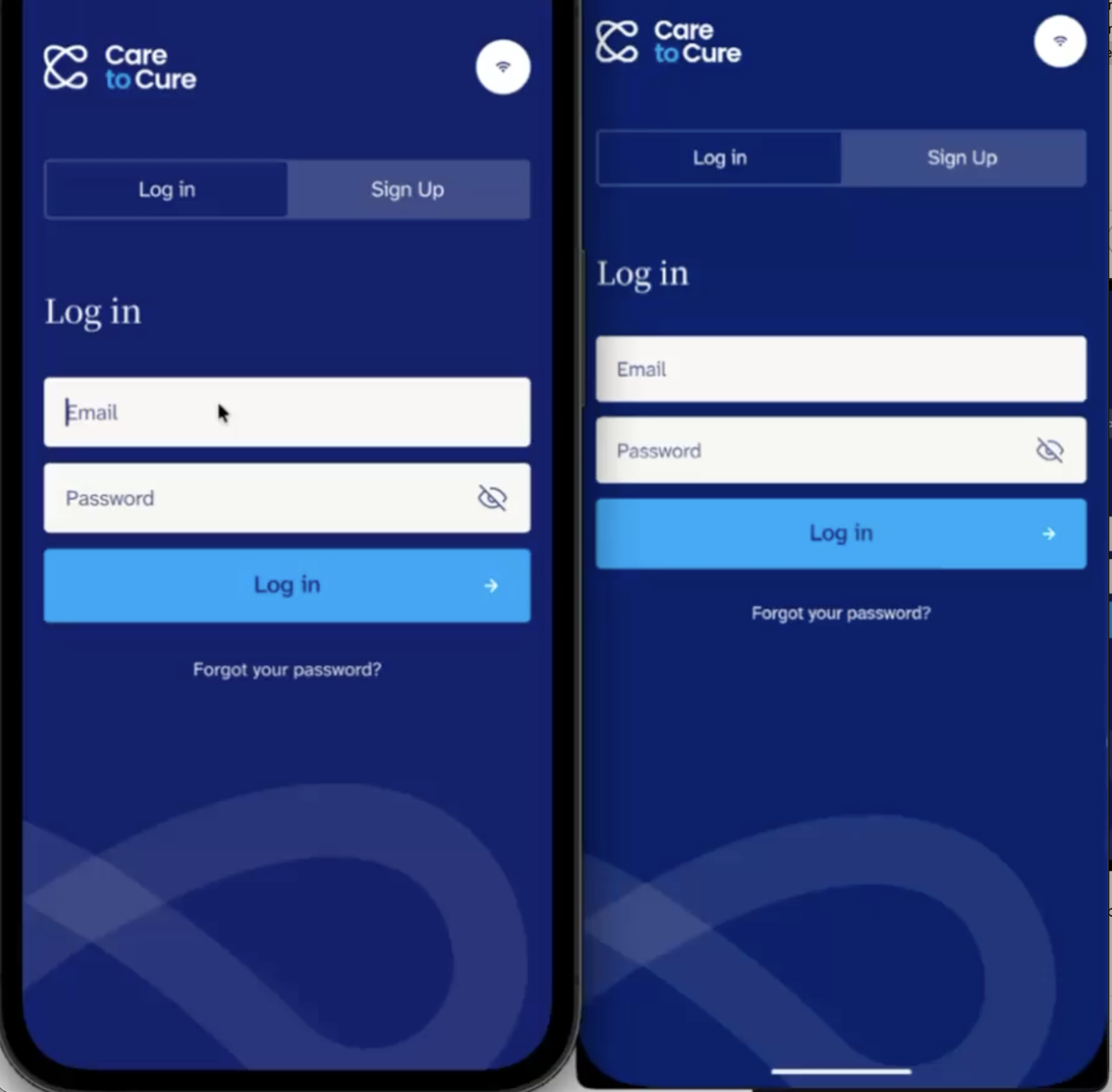
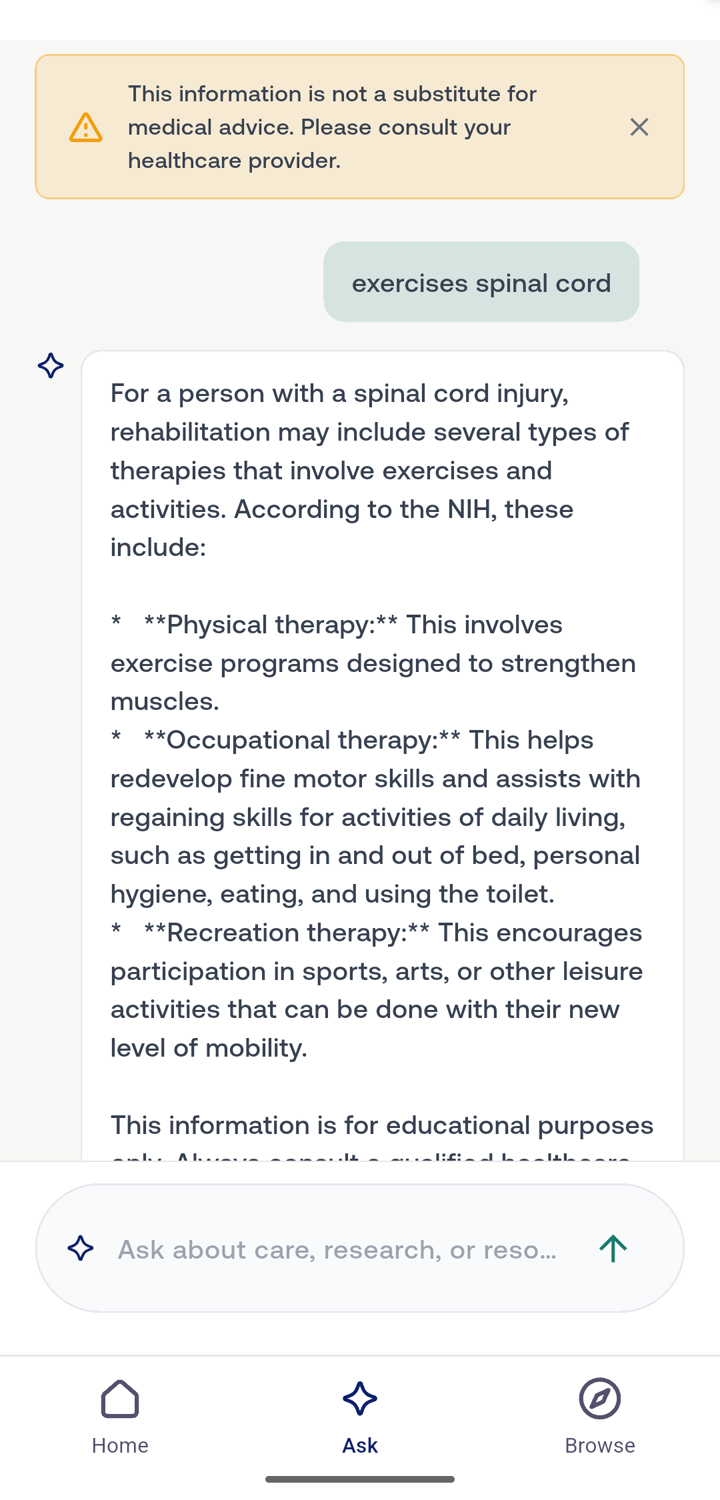
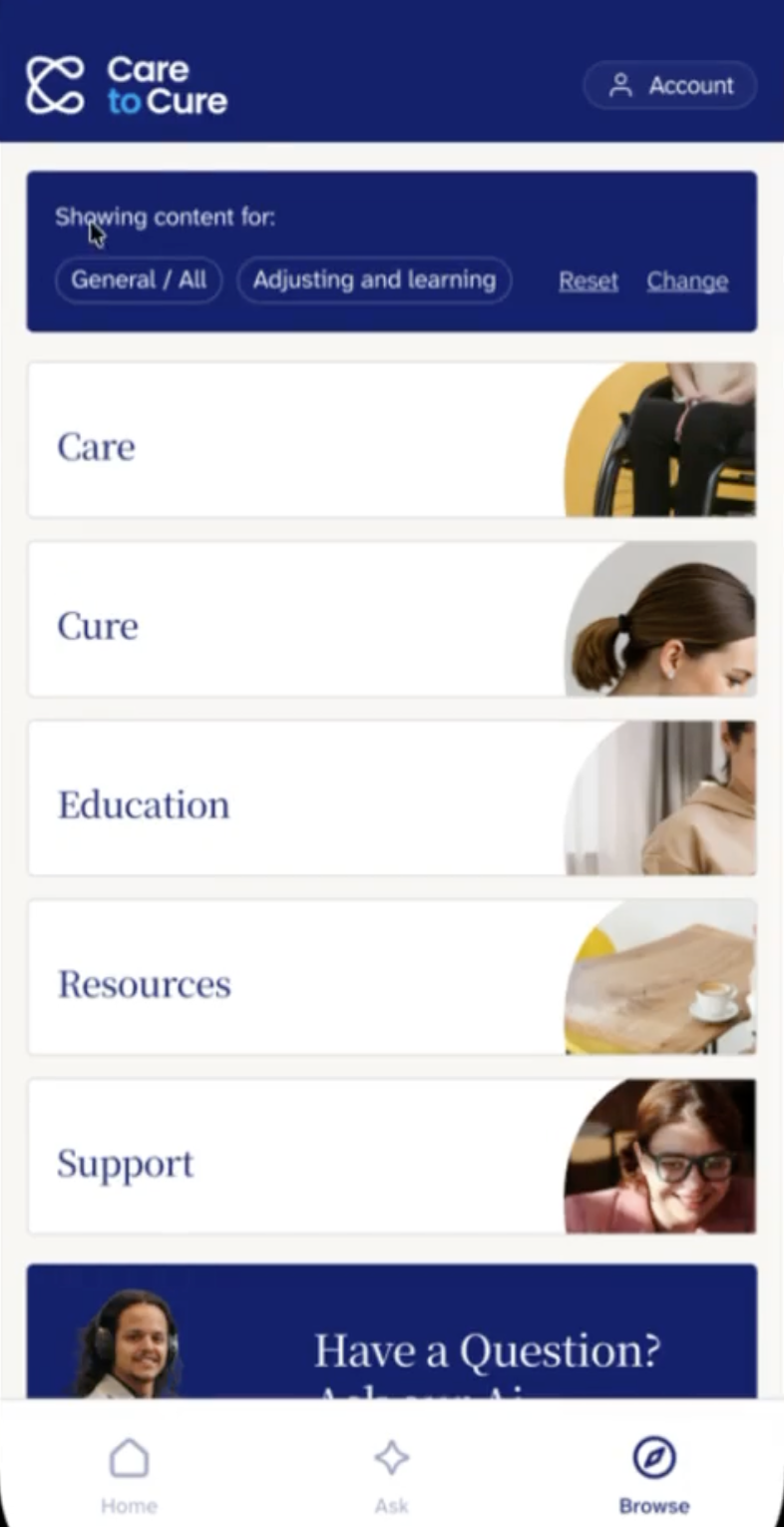
From development and test builds, mostly with test data. The released app may differ.